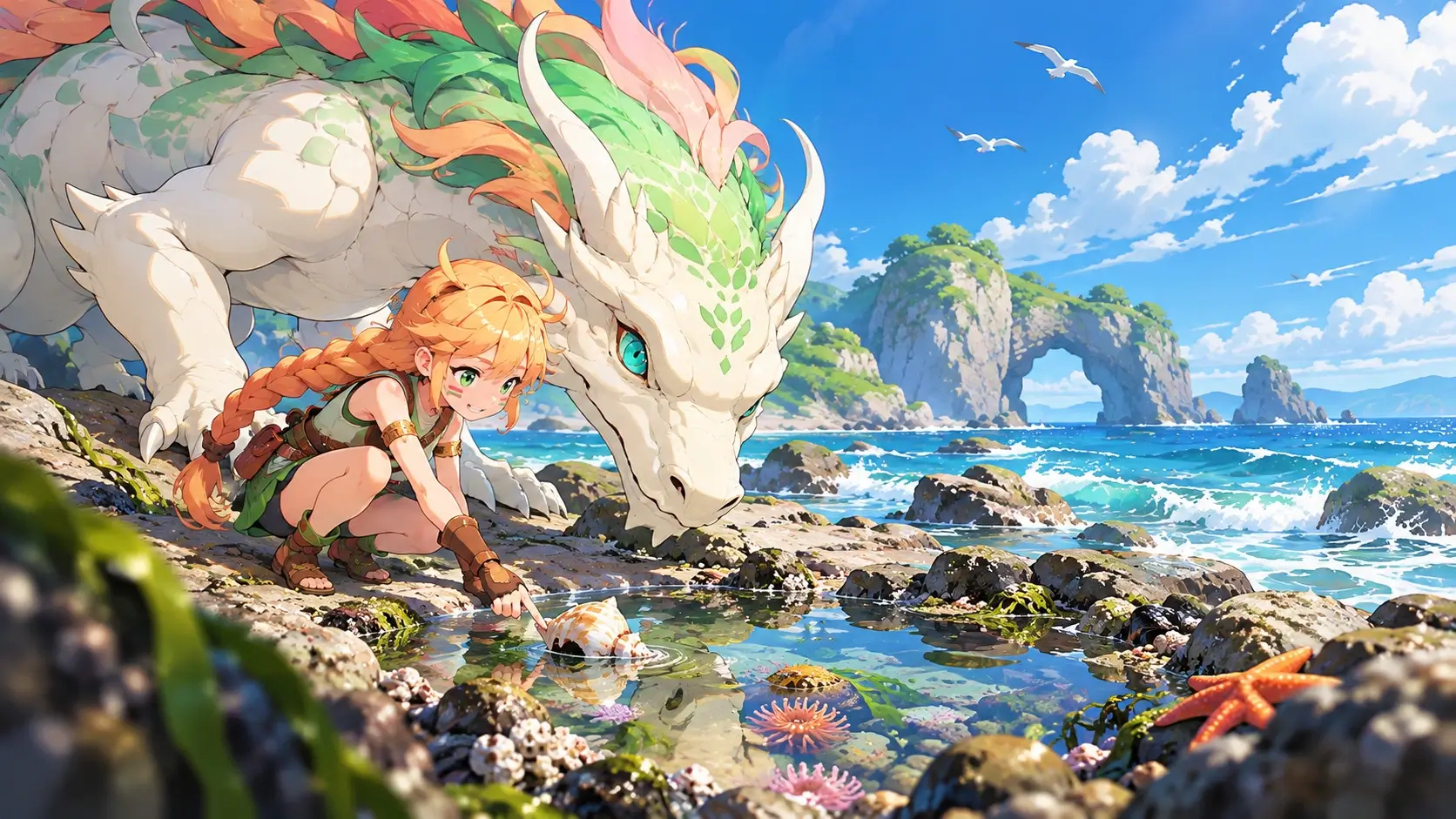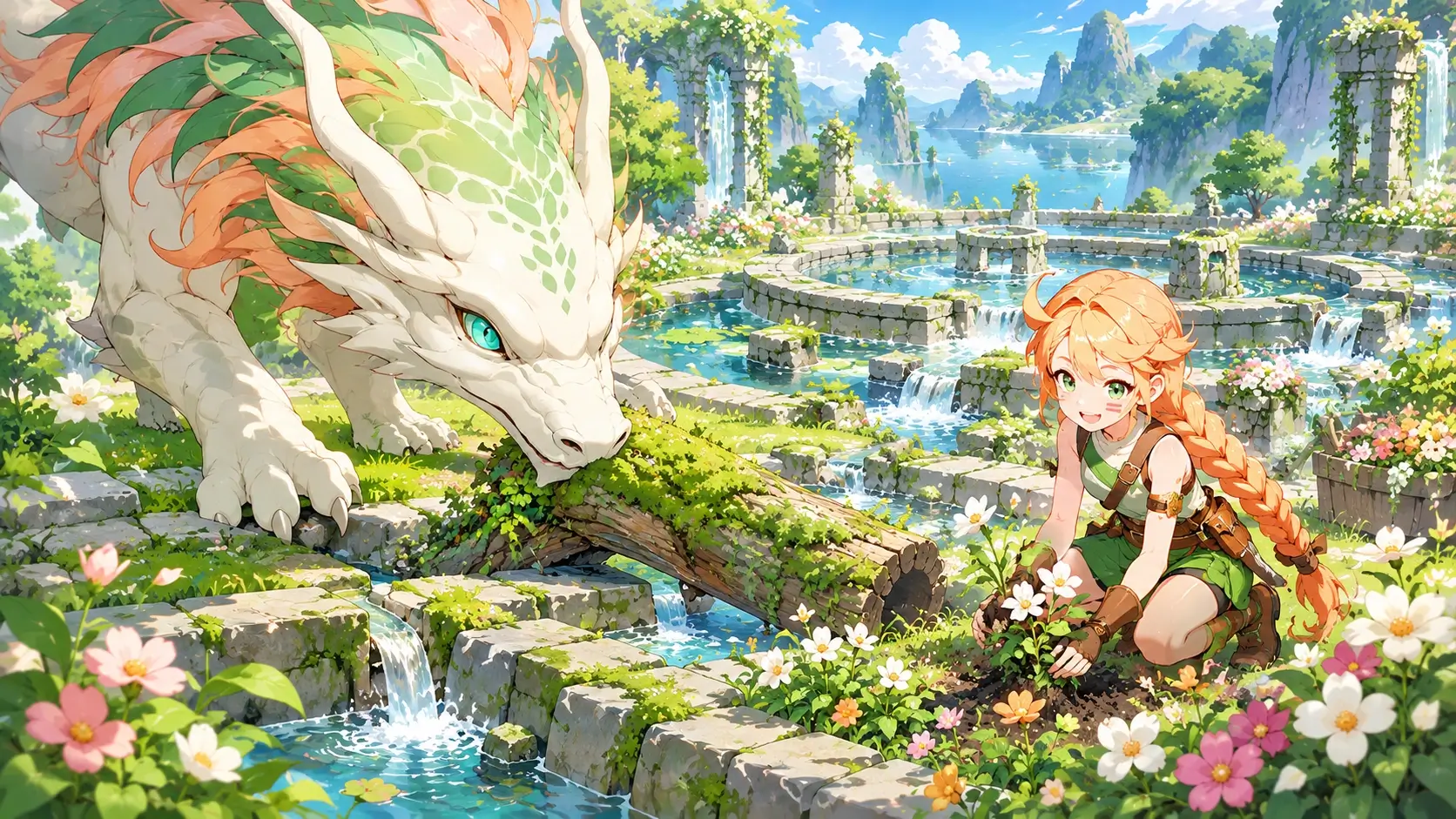
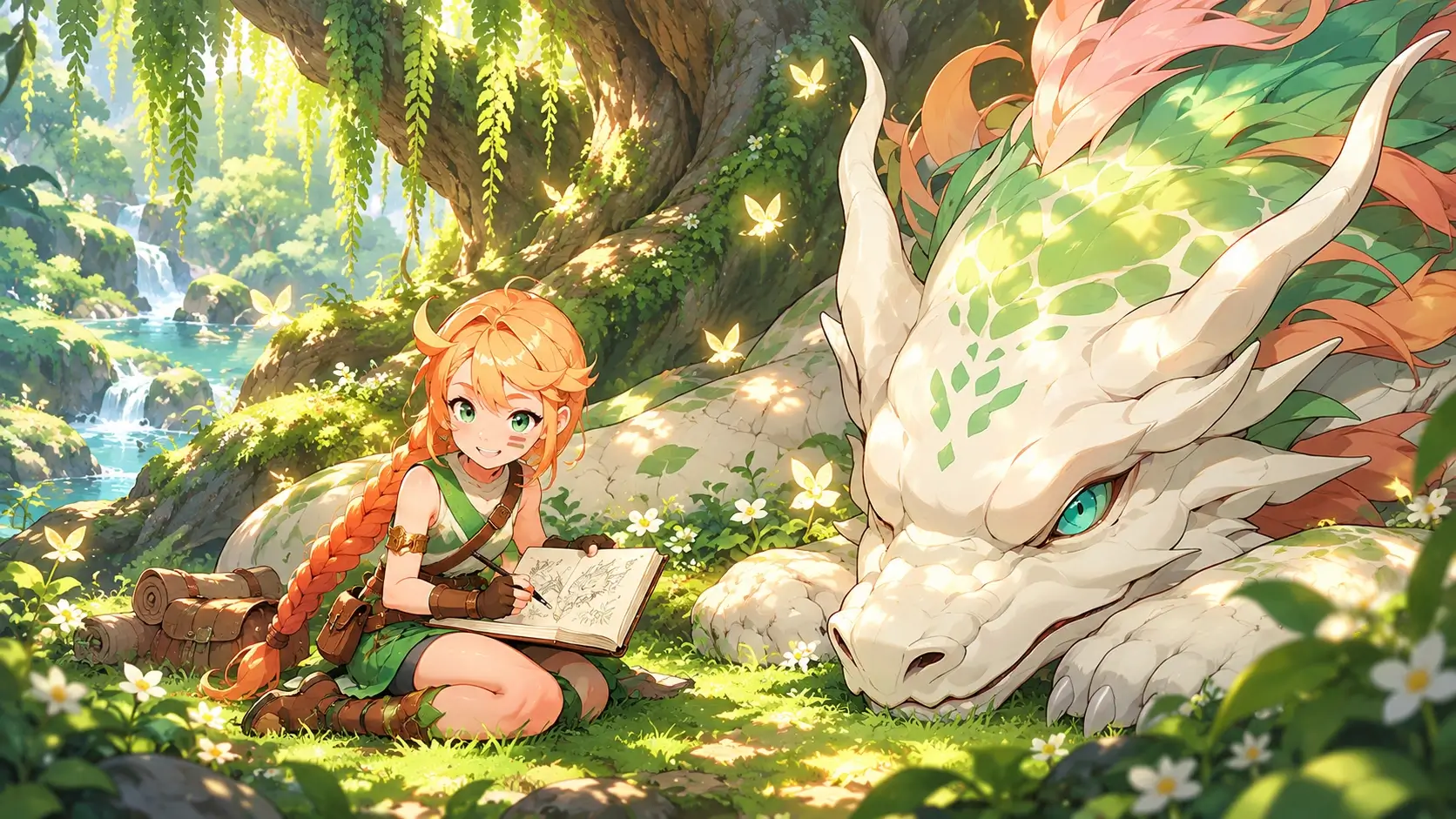
Notice the habits, homes and small surprises that give a living sanctuary its personality.
Watch before you act
The first page of a creature journal does not need a name or a checklist. It can begin with an observation. A small creature returns to the same warm stone each morning. Another disappears whenever a shadow crosses the path. A much larger companion seems perfectly content to wait beside the water. In Playful by Nature, these ordinary behaviours are the starting point for curiosity. They give you something to notice before asking you to solve a problem, and they help a sanctuary feel like a place with a life of its own.
A home tells a story
A creature's home is more than the location where you find it. The surrounding light, plants and pathways suggest what it needs. A sheltered hollow may belong to something cautious; an open hillside may welcome a companion that likes to see the whole island. Small traces of activity make these connections easier to understand. A bent branch, a patch of disturbed grass or a familiar trail can tell you that somebody has passed through. Following those traces makes discovery feel attentive and personal instead of mechanical.
Personality in little movements
A distinctive creature does not always need a long introduction. The way it pauses, looks back or approaches an unfamiliar object can say a great deal. A patient companion may take its time before crossing a stream. A restless one may keep testing a new path. When movements fit the surroundings, personality becomes part of the landscape. You begin recognising a creature before it is close enough to inspect, simply because its behaviour feels familiar. That familiarity creates the warmth that makes a quiet encounter worth remembering.
Helping without taking over
Restoring a sanctuary asks you to understand a place before changing it. Clearing one route may help a small companion reach its home, while leaving another corner undisturbed may be equally useful. The best solution is not necessarily the largest transformation. Sometimes a modest adjustment gives the world enough space to respond. A puzzle can follow the same principle: notice a relationship, try a careful action and see what changes. The creature journal becomes a record of those relationships rather than a list of things you have collected.
Leave room for another visit
A living journal should stay open. Return to a familiar place under different light, take a slower route or watch a creature you usually hurry past. You may notice a detail that was there all along. This is the kind of progress Playful by Nature invites: a richer understanding of a place and the companions who share it. Keep a few questions beside your observations. What draws that creature back to the shore? Where does the quiet path lead? An unanswered question can be a good reason to keep exploring.