A closer look at the doors, detours and discoveries that make a small expedition feel like a big adventure.
The first decision
A good adventure begins before the first encounter. You stand at a junction with a lantern on one side, a half-open door on the other and a trail of curious marks leading away from both. Tiny Trailblazer makes that moment matter. The route you choose says something about the kind of run you want: perhaps you are looking for a dependable reward, perhaps you would rather take a chance on a room you have never seen. Neither choice should feel like following an instruction printed above the hero's head.
Reading a changing world
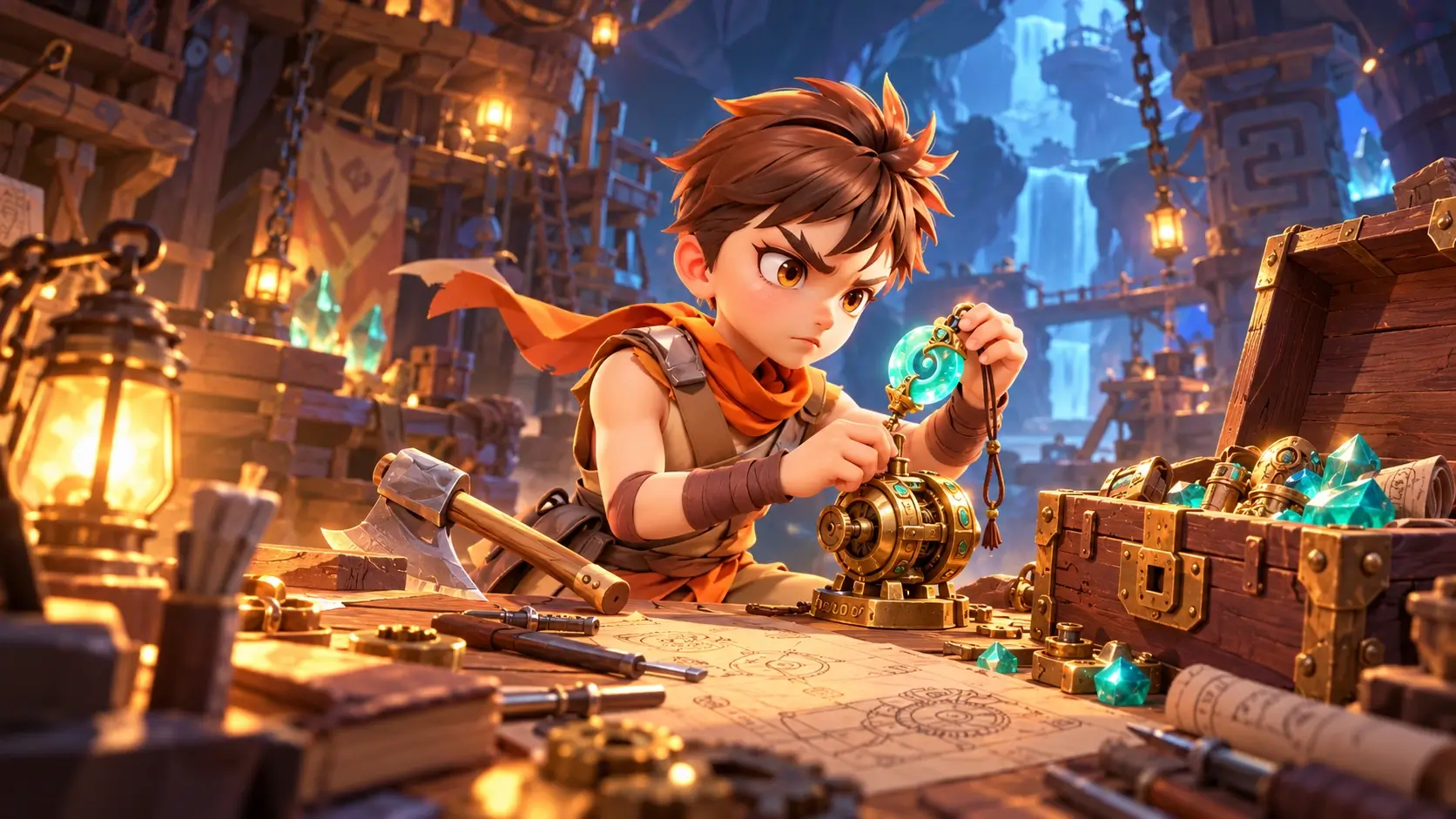
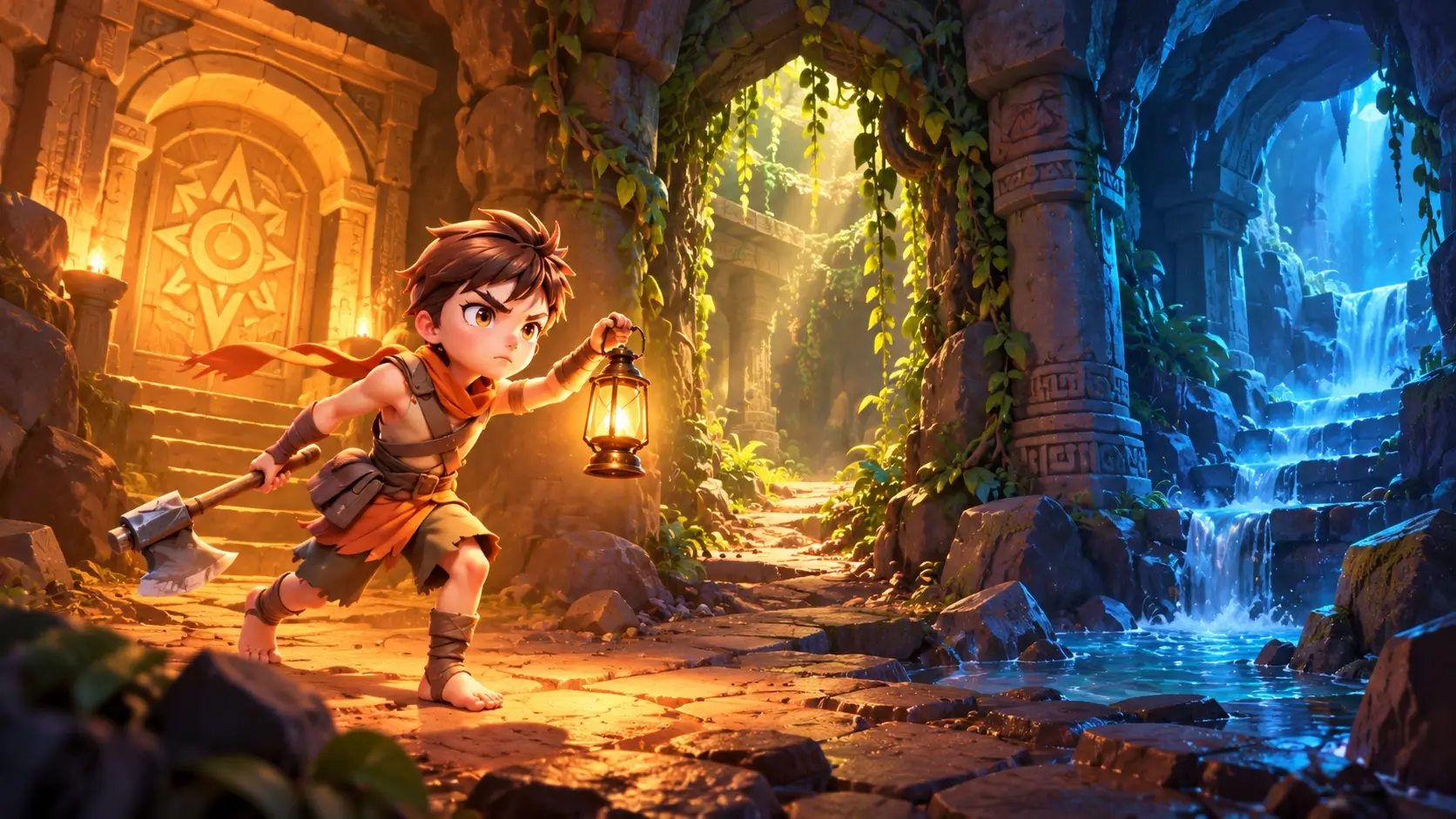
The rooms in a dungeon need their own character. A workshop suggests tools, mechanisms and improvised solutions. An overgrown chamber suggests a quieter way through, with details partly hidden behind leaves. A treasure room can be inviting without being completely safe. These visual cues help you form a small plan before moving in. When a path changes, its language remains understandable. The surprise comes from what you discover and how you respond, rather than from losing the ability to read the scene.
A detour worth taking
Detours are most satisfying when they ask for a decision instead of simply adding distance. A side passage might trade a little risk for a useful gadget; a puzzle might reward patience with information about a later room. You do not have to collect everything to enjoy a run. Leaving something behind can make the next visit more interesting. This approach creates space for several kinds of player: the careful explorer, the curious experimenter and the little hero who just wants to see what happens next.
Back at camp
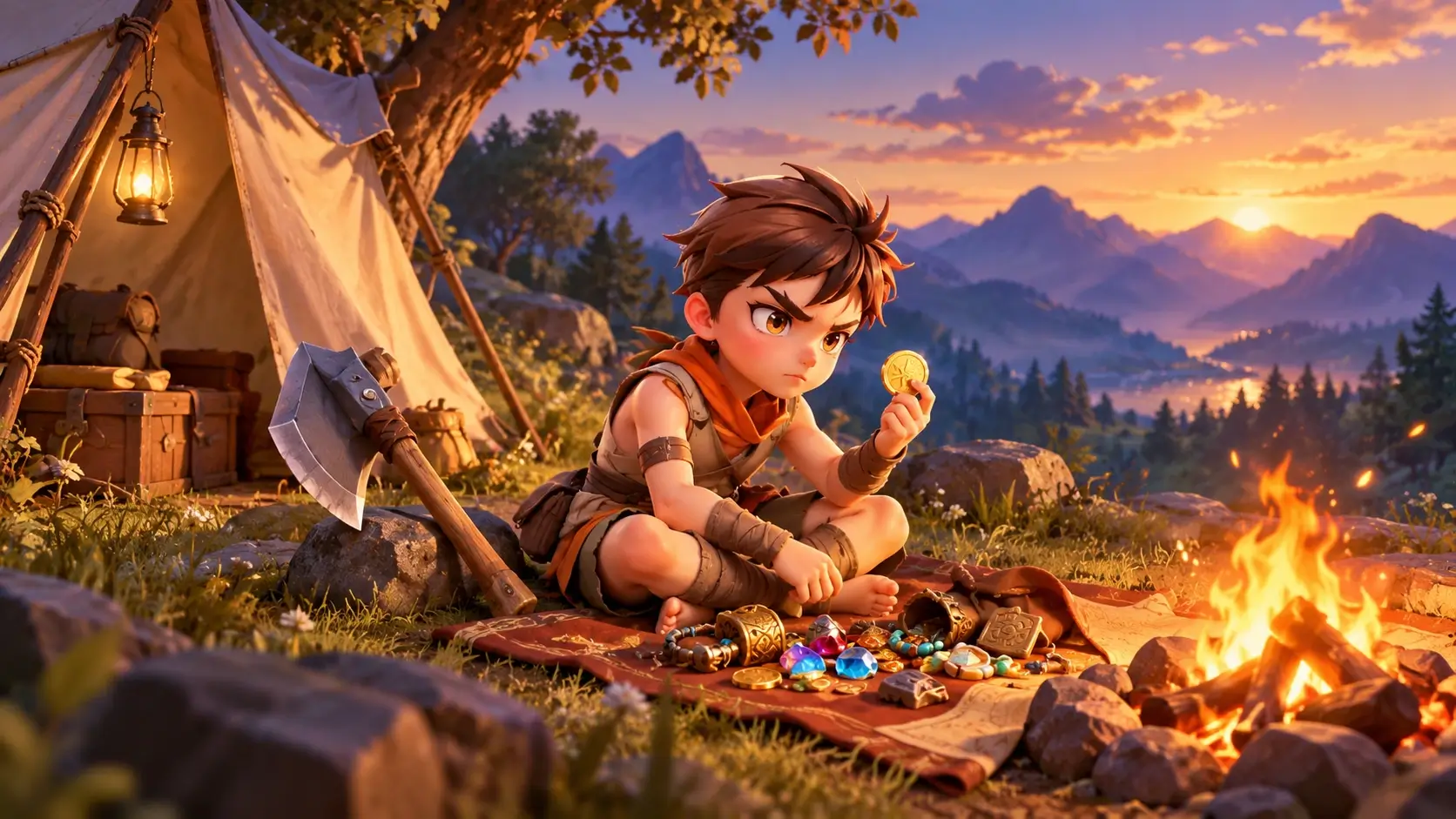
The return to camp gives discoveries a place in the larger adventure. Spread your finds out, compare the combinations you tried and decide what deserves another attempt. A familiar camp also provides a useful contrast to a changing dungeon. Its light, small routines and recognisable corners make it feel like a place to gather yourself. A run that ended earlier than expected can still offer a new understanding. What did that unusual trinket change? Which clue did you notice too late? Which door would you open first next time?
Making the next run your own
That is the thread connecting these paths: the next expedition belongs to you. Progress is not only a bigger number or a fuller bag. It is knowing when to look closer, recognising a useful pairing and becoming comfortable with a little uncertainty. The world can keep changing while your understanding becomes richer. Bring a small idea out of camp, test it somewhere unfamiliar and come back with a story. Sometimes the most memorable treasure is the moment a plan unexpectedly worked.